
Tissue Culture vs Mother Rooms: Which Is Better for Commercial Cannabis?
Tissue culture is better than a mother room for most commercial cannabis operations because it produces clean, disease-tested, genetically stable starts in a fraction of the space, while a mother room keeps pathogens and drift living inside your facility.
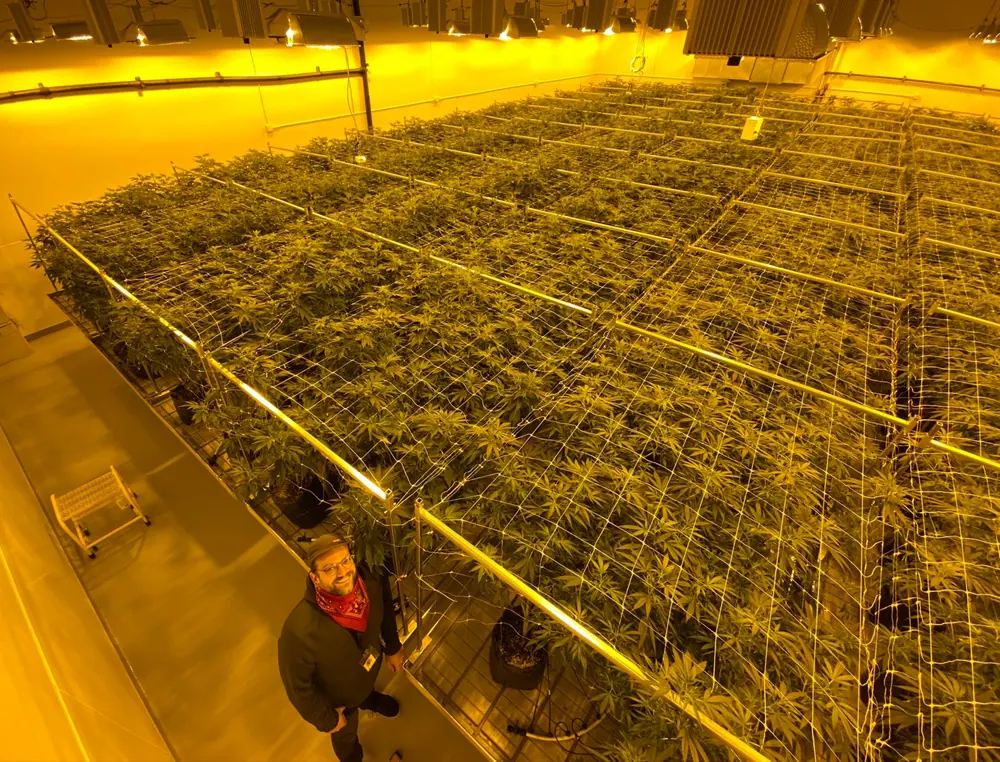
Every grower I talk to has a mother room, and most of them do not love it. It eats space, it eats labor, and it quietly holds the two things you least want in your facility: pathogens and drift. Tissue culture changes that equation. Here is the honest comparison, operator to operator.
What is the difference between tissue culture and a mother room?
A mother room is a dedicated space where you keep stock plants alive to take cuttings from, while tissue culture propagates plants from tiny pieces of clean tissue in a sterile lab, then multiplies and stores them.
Both exist to do the same job: give you a reliable source of starts. The difference is where the genetics live. In a mother room, they live as full plants exposed to your facility’s air, water, hands, and pests. In tissue culture, they live as clean cultures in sealed vessels, tested and controlled. One is a living liability you maintain every day. The other is a clean library you pull from when you need it.
How do they compare on clean, disease-free genetics?
Tissue culture wins on clean genetics because it starts from tested, pathogen-free material and can clean up stock that a mother room can only keep infected.
A mother plant is a reservoir. Whatever it carries the day you take a cutting, that cutting carries too. If a mother picks up HLVd or a virus, every clone off it inherits the problem, and you usually do not find out until flower. There is no way to make a sick mother healthy by taking more cuttings from her.
Tissue culture flips this. Through meristem culture you take the tiny growing tip of a plant, where pathogens have not yet reached, and regenerate a clean version of that same genetic. Pair it with qPCR testing and you know what you have before it ever touches your grow. This is the whole reason meristem work exists, and I walk through it in what HLVd is and why meristem culture is the only real fix. A mother room can only hold the line on clean stock. Tissue culture can actually recover it.
How do they compare on space and labor?
Tissue culture wins on space and labor because clean cultures in vessels hold the same library of genetics in a fraction of the footprint a room full of mother plants demands.
Think about what a mother room really costs you. It is prime, climate-controlled space that produces zero sellable flower. It needs daily watering, feeding, scouting, pruning, and pest management. And the more cultivars you preserve, the bigger it has to get. We have helped operations preserve hundreds of cultivars coast to coast without any of that living overhead.
A tissue culture library holds those same genetics as small cultures on a shelf. No daily watering. No pest pressure. No canopy space burned on non-producing plants. You convert a room that costs you every day into a clean bank you barely have to touch. That reclaimed space and labor is one of the fastest returns most operators see, and it is one of the core problems tissue culture solves.
How do they compare on genetic consistency and drift?
Tissue culture holds genetics more stable over time, while mother plants slowly drift as they age, get stressed, and accumulate change.
Here is the quiet problem with mother rooms. A mother plant is alive, and living plants change. Age, stress, repeated topping, and environmental swings all push a plant away from where it started. Run that mother for a year or two and the cuttings are not quite the plant you fell in love with. Vigor slips, structure shifts, sometimes potency moves too. It happens slowly enough that you blame the grow before you blame the mother.
Tissue culture, done right, preserves the genetic baseline. You capture a cultivar as a clean culture and hold it there, so the plant you pull in year three matches the plant you banked in year one. Cold storage extends this further, letting you park elite genetics in a stable state instead of running a tired mother to keep the line alive. You stop chasing drift and start working from a fixed reference.
How do they compare on disease and HLVd risk?
A mother room concentrates disease and HLVd risk by keeping infected plants alive and connected to your cut supply, while tissue culture isolates and tests genetics before they spread.
One infected mother in a shared room is a slow-motion outbreak. You take cuttings, techs move between plants, tools and hands carry it, and HLVd rides along silently for weeks. By the time symptoms show, it is already through propagation and into flower. Mother rooms make this worse because everything lives together, sharing the same air and the same hands.
Tissue culture breaks the chain. Cultures are sealed and isolated, so one problem cannot walk across the room. Every line can be tested, and anything questionable never leaves the lab. You are not hoping your stock is clean. You are confirming it, cultivar by cultivar, before it gets near production.
Can tissue culture fully replace your mother room?
For most commercial operations, yes. Tissue culture can fully replace the mother room by feeding a clean nursery with tested starts instead of maintaining living stock plants.
The pattern that works looks like this. Your genetics live as clean cultures and cold storage in the lab. When you need production, you multiply clean plantlets, harden them off, and run them through a small nursery of clean Gen-0 stock for the current cycle. You still have young plants to take cuttings from short term, but you no longer keep aging mothers alive for years as your permanent genetic source. The library stays in the lab, clean and stable, and the nursery becomes a rolling step instead of a standing liability. Our tissue culture services and the lab platform are built around exactly this handoff.
When does a mother room still make sense?
A mother room still makes sense as a short-term bridge, for very small operations, or while you build clean stock and a lab is not yet in place.
I am not going to tell you to tear out your mother room tomorrow. If you are early, small, and not yet ready to invest, a well-run mother room off tested, clean starts is a reasonable stopgap. It also works as a bridge while the lab comes online, so you keep production moving. The key word is short-term. A mother room is fine as a bridge and expensive as a permanent home for your genetics.
How do you transition from mother rooms to a tissue culture program?
You transition by cleaning up your best genetics into tissue culture first, then replacing mother stock with clean Gen-0 plants cycle by cycle until the room is gone.
Here is the path I walk clients through:
- Pick your keepers. List the cultivars actually worth preserving, not every plant in the room.
- Test everything. Run qPCR on your stock so you know what is clean before you build on it.
- Initiate into tissue culture. Bring the keepers into clean culture, using meristem work to recover anything carrying HLVd or virus.
- Bank and cold-store. Hold each clean cultivar as a stable library and cold storage backup.
- Build a clean nursery. Multiply and harden clean plantlets into Gen-0 stock for current production.
- Retire mothers cycle by cycle. Replace old stock with clean starts one run at a time, not all at once.
- Shut the room down. Once clean starts feed your nursery, reclaim the space for canopy or storage.
Done this way, you never stop production. You move your genetics somewhere cleaner, smaller, and far more stable, one cultivar at a time.
If you are staring at a mother room that eats space and worries you every cycle, let’s map the transition for your facility. Book a call and we will look at your genetics, your risk, and the fastest clean path off mother plants.